


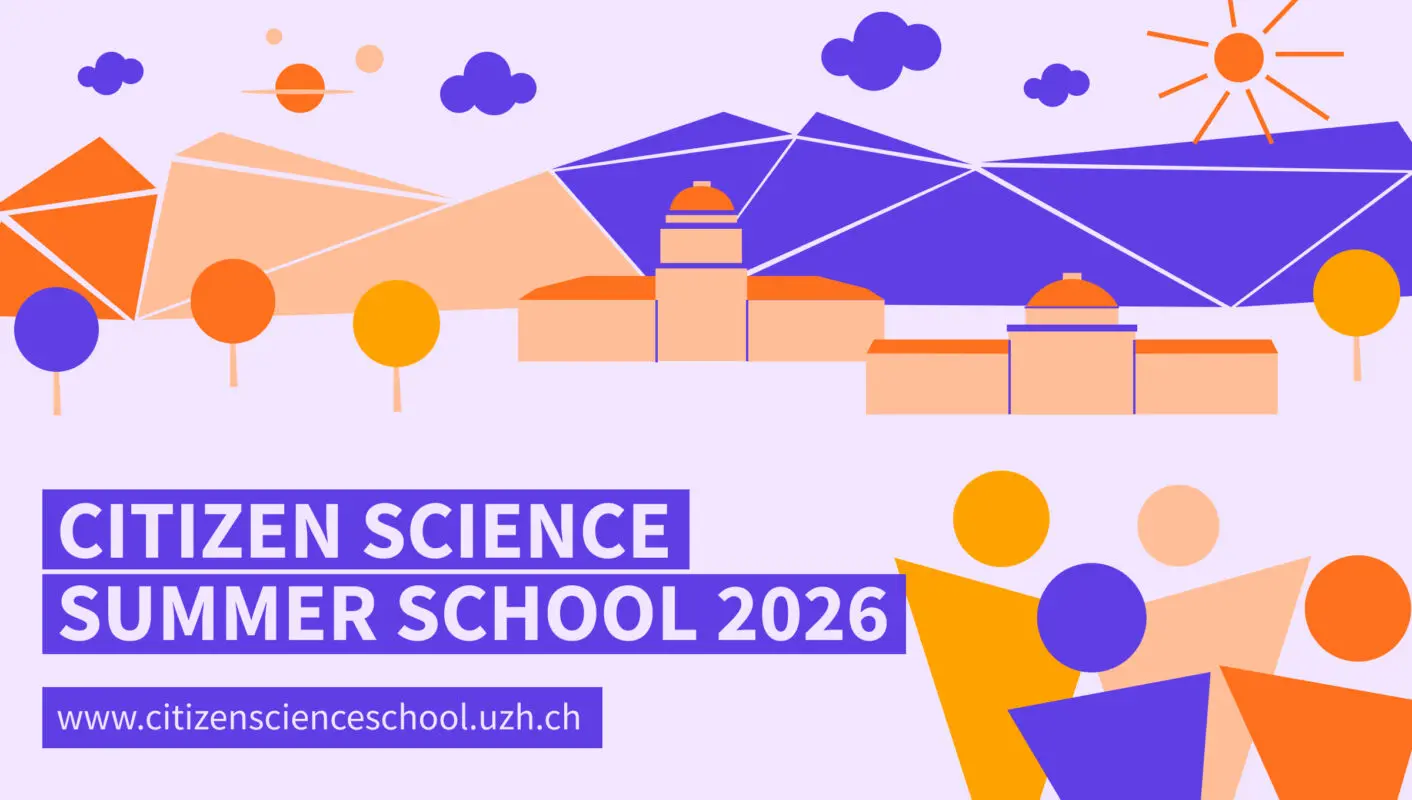
Zurich, Switzerland
Citizen Science Summer School 2026
When:
07 June - 12 June 2026
Credits:
2 EC
Read more
Environmental Studies Summer Course
When:
27 June - 24 July 2026
School:
University of Pisa Summer School
Institution:
University of Pisa
City:
Country:
Language:
English
Credits:
10 EC
Fee:
1000 EUR


Rural areas are involved in dynamics of development whose sustainability cannot be taken for granted. Four main factors influencing the organisation of transformative solutions in innovative rural areas can be identified:
1. The capacity of rural areas to be suitable for the set up and operation of economic activities that are economically viable while being appropriate for, and able to valorise, the socio-cultural and demographic conditions of the context.
2. The capacity of rural areas to host a range of new diversified activities to enhance fruition and social sustainability in rural areas (via sustainable agro-tourism, social farming and services provision, didactical activities, experiences, eno-gastronomy, education to responsible consumption).
3. The capacity of rural areas to protect, valorise and enhance the natural resources offered by the local environment (ecosystem services provision) also in a wide perspective.
4. The capacity of rural areas to be included in the policy agenda of local, national and regional institutions as well as in the societal dialogue.
European rural areas are populated with small farms. They contribute to the production of food that is, later on, self-consumed or acquired by consumers in both rural and (peri) urban areas. For the mere fact that they operate in rural areas, small farms are part of rural dynamics (e.g. economic, social, environmental) that influence rural transition. In other words, in Europe rural transition goes along to issues related to agriculture and food production and consumption, many rural areas and businesses operating there contributing to food provisioning and acquisition.
This Summer School explores how small farms impact on transformative solutions in innovative rural areas while contributing to local prosperity and food and services provisioning for the society. In particular, the programme walks students along the investigation of five themes. These themes fall into the four above mentioned factors influencing the capabilities in organising transformative solutions in innovative rural areas and keep a focus on small farming according to the specific environment of the Garfagnana valley. The themes can be synthesised as it follows:
1. Small farms, economic viability and socio-cultural suitability. This theme explores employment opportunities and foods, adequate to meet the (local and non-local) expectations and needs (e.g. jobs and products for which there is demand of; practices of food provisioning and acquisition, in line with food traditions, local gastronomy and culture and emerging demands).
2. Small farms and social services. In social areas the lack of social services emerges as a critical issue to stabilise local live and generational change. The social role of farming is increasingly recognised in the provision of ‘social’ services by the farm and innovatively contributing to social stability. Social farming refers to farms, able to organise innovative services always in collaboration with the public sector (e.g. for mental health services) and NGOs. All these realities in the main time run economically viable on farm activities (crops, breeding, transformation of products, farm holidays, sale of farm products, etc.), while involving persons with special needs and or organising community services.
3. Small farms and the environment. There is a growing recognition that agriculture can contribute to providing ecosystem services, defined as the multiple benefits provided by ecosystems (i.e., life support, such as nutrient cycle, soil formation and primary production, supply such as food production, drinking water, materials or fuel, regulation, such as climate, water purification, pollination and infestation control, cultural values including aesthetic, spiritual, educational and recreational ones). This theme focuses on the relations between farming and the environment and, particularly, on the way small farms contribute to the use and reproduction of genetic resources and agroecosystem services.
4. Small farms, short food chains, sustainable tourism and territorial valorisation. This theme explores how small farms contribute to creating opportunities for a sustainable, experiential and multi-seasonal quality tourism sector. This theme includes analysis of rural tourism supply systems with particular reference to local production and agro-food short supply chains and other traditional local products; multi-functionality and diversification of agriculture, agro-tourism, ethical products, catering, short supply chains.
5. Small farms in a digitalizing society. Digital technologies can contribute to addressing important and urgent economic, social, climatic and environmental challenges facing the EU agri-food sector and rural areas. The role of digitalization, its characterization and the multiple impacts on farming and rural areas, will directly be discussed in part of the lectures.
These five themes will be elaborated and debated during the Summer School on the base of a reflection on the specificities of small farming (definitions, characters, connections with their food system and their socio-economic and ecological context). The reflections will focus on the role that small farms can play in the transition pathways towards more sustainable rural and agricultural configurations, with attention paid to specific elements of these processes. The transformative solutions analysed along the programme lead to consider some basic conceptual elements that shape the current reflection of these issues, and an overview on some key policy goals providing bases of political action and scientific research supporting innovative rural areas.
The Summer School will be held on campus in Castelnuovo di Garfagnana (Lucca), at Fortezza Mont’Alfonso
Prof. Francesco Paolo Di Iacovo
- Bachelor’s graduates
- Master’s degree students
- Master’s degree graduates
- PhD students
The Summer School aims to increase awareness and competencies about the today role of rural areas in challenges societies and to better understand food issues and innovative solutions in agriculture and rural areas and to prepare students in order to design future sustainable transformative pathways able to meet medium and long-term societal concerns and emerging consumer/societal demands.
The Summer School will provide students engaged with agricultural and rural studies an immersive experience on the Tuscan territory, which provides interesting world-wide known examples of diversified rural development
Fee
1000 EUR, all IMRD students and up to a maximun of 7 students enrolled at universities participating in the Circle U. alliance are exempt from the payment of the tuition fees
Fee
330 EUR, accomodation cost per person, in a shared room, for the whole duration of the Summer School
When:
27 June - 24 July 2026
School:
University of Pisa Summer School
Institution:
University of Pisa
Language:
English
Credits:
10 EC
Zurich, Switzerland
When:
07 June - 12 June 2026
Credits:
2 EC
Read more

Prague, Czechia
When:
04 July - 11 July 2026
Credits:
0 EC
Read more

Bochum, Germany
When:
03 August - 14 August 2026
Credits:
3 EC
Read more